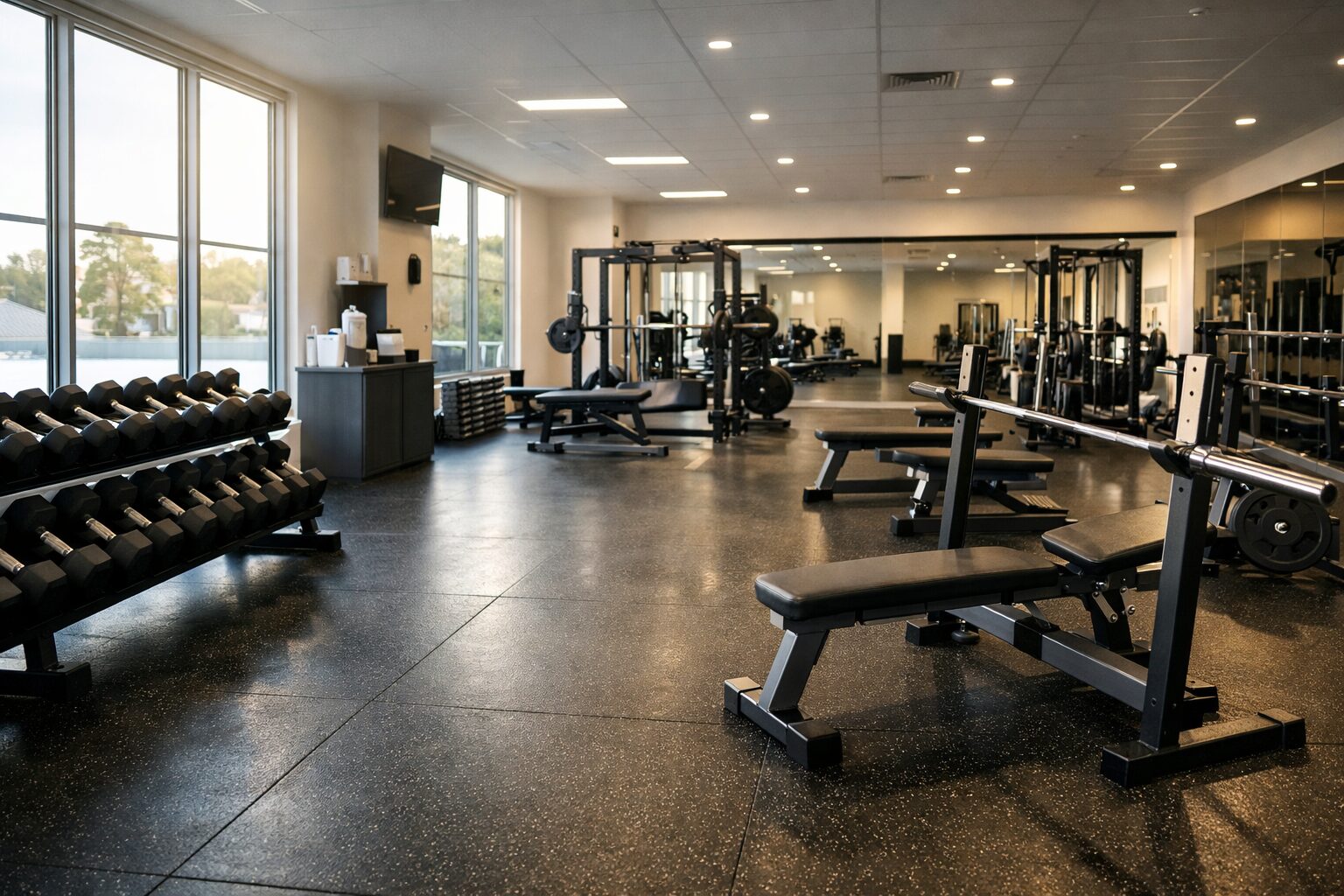
A clean gym is not just about shiny equipment. It is a quiet promise to your members that you care about their health every single time they walk through the door.
Key Takeaways
- If you control moisture + waste, you remove most of what attracts pests in gyms.
- The biggest risk zones are boring but predictable: change rooms, bins, storerooms, and behind equipment.
- A simple system works best: daily resets, weekly deep cleans, and monthly pest-proofing checks.
- Consistent professional cleaning helps stop the “it’s fine” areas from becoming the “it’s back again” areas.
There’s a particular kind of confidence you get when you open the doors, and the place feels fresh. Not “bleach factory” fresh, just clean, dry, and looked after. Floors that aren’t tacky, change rooms that don’t smell damp, bins that aren’t quietly plotting against you.
If you’re here because you’re figuring out how to keep your gym pest free, the good news is this: you don’t need a complicated program or a dramatic chemical blitz. Most pest problems in gyms come from a handful of repeatable causes, and they’re fixable with a routine that fits real operating hours, real staff, and real member behaviour.
This guide is built for Australian gyms, studios, and fitness centres. It’s practical, a bit blunt in the right places, and designed to keep your facility member-ready while making your building a genuinely annoying place for pests to settle.
Why pests show up in gyms
Pests are not fussy. They’re looking for four things:
- Moisture: showers, steam, leaks, condensation, wet mats, floor drains
- Food residue: protein shakes in bins, vending crumbs, café drips, sticky spills
- Warmth: indoor climate control, plant rooms, laundries, storage cupboards
- Hiding spots: clutter, cardboard, gaps under doors, skirting cracks, behind heavy equipment
Most gyms unintentionally provide at least two of those daily. The goal isn’t perfection; it’s reducing the conditions pests need to thrive.
A prevention-first approach lines up with Integrated Pest Management principles, which focus on monitoring, sanitation, exclusion, and targeted control instead of relying only on chemicals. For an Australian reference point, the NSW EPA has a clear overview of Integrated Pest Management guidance.
Where pest problems usually start inside a gym
If you only have time to tighten up a few areas, start with these. They’re the usual suspects in almost every facility.
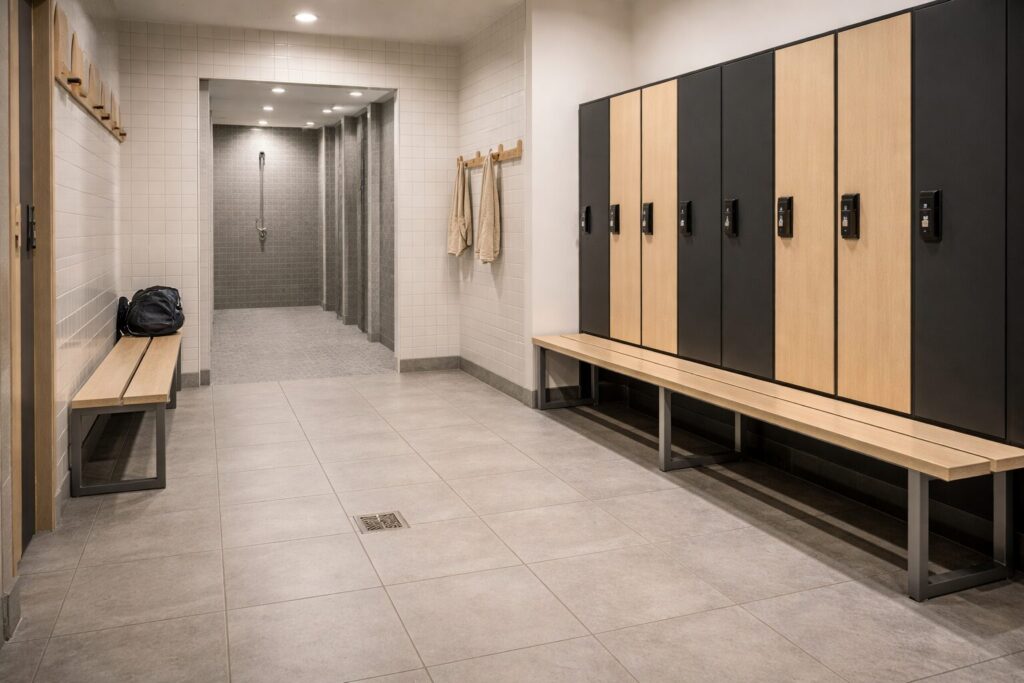
Change rooms and showers
Warm, damp, high-traffic, and full of corners, people rush past.
Common causes
- Puddles near drains that never fully dry
- Grout and edges that get a quick wipe instead of a proper detail
- Damp corners behind doors, benches, hooks, and lockers
- A stale smell that lingers even after “cleaning”
What actually helps
- Dry floors during peak hours, not just after close
- Fix leaks fast, even if it’s “only a drip”
- Treat drains as a priority zone (they’re basically the plumbing version of a welcome mat)
Bathrooms and basins
Bathrooms are where members judge you silently while washing their hands. If standards slip here, complaints follow, and pests are not far behind.
What to tighten
- Increase spot checks during busy blocks
- Keep bins lidded and empty them more often than feels necessary
- Detail around toilet bases and behind fixtures, where grime quietly collects
Bins and waste points
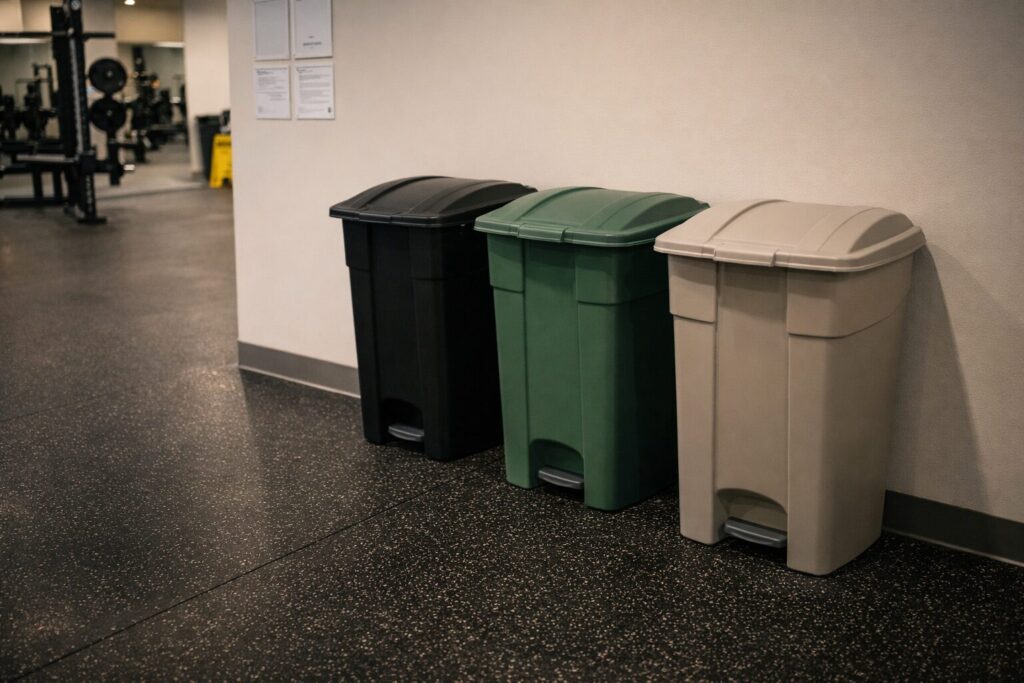
Overflowing bins and sticky floors around them are classic attractants. It’s not glamorous, but waste control is one of the biggest wins in pest prevention.
What to tighten
- Use bins with lids, especially in bathrooms and change rooms
- Empty small bins during peak periods, not just at the end of the day
- Clean the floor and wall around bins, not just the bin itself
Storerooms and back-of-house
Storerooms are where standards go to “temporarily” die. Then they move in permanently.
What to tighten
- Reduce long-term cardboard storage
- Keep stock off the floor and away from walls
- Clean spills immediately, even if it’s staff-only (pests don’t care about staff-only)
Under and behind the equipment
Members don’t see it. Staff don’t always reach it. Pests absolutely notice it.
What to tighten
- Rotate “pull-out cleans” behind equipment each week
- Detail skirting, floor edges, and rubber flooring seams
- Keep clutter away from equipment bases so cleaning is actually possible
The simple routine that keeps your gym pest free
The best prevention plan is the one your team can actually run without heroic effort. Here’s a structure that works.
Daily reset (keep conditions unfriendly)
This is a short loop that prevents build-up and removes attractants before they become a pattern.
Daily checklist
- Wipe high-touch points (handles, benches, pin pads, rails)
- Spot clean spills immediately, especially sugary drinks and sticky pre-workout mishaps
- Empty bathroom and change room bins during peak periods
- Quick moisture scan in showers and around basins
- Check for early warning signs: odd smells, droppings, insect activity near bins and drains
A good daily reset is like brushing your teeth. Not exciting, but you will regret skipping it.
Weekly deep clean (break the cycle)
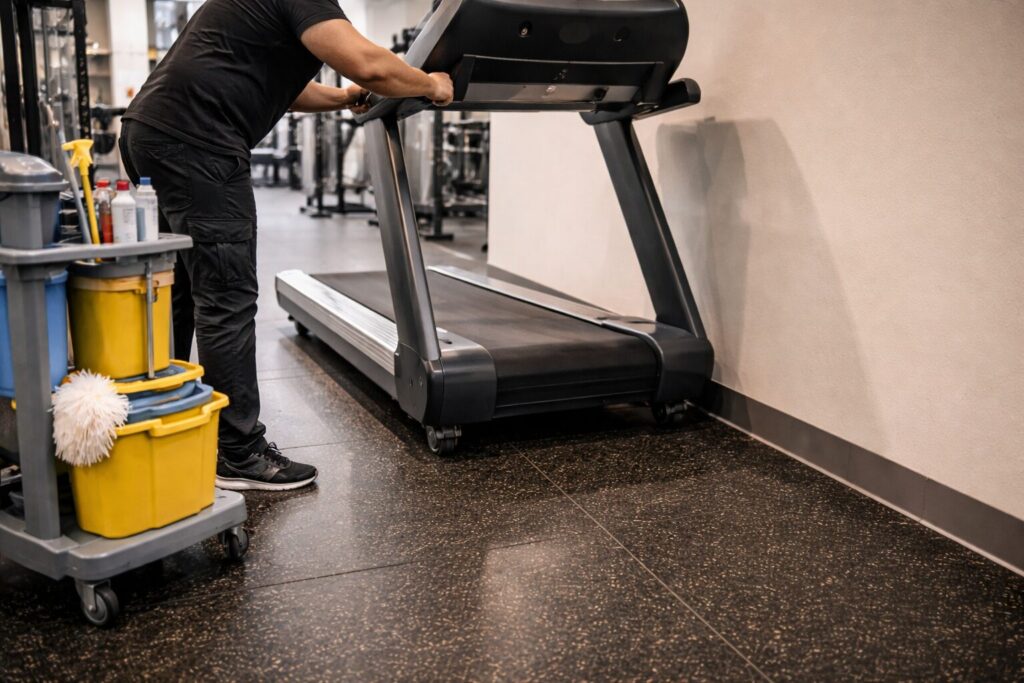
Pick 2 to 3 risk zones each week and go harder. Rotate zones so nothing gets ignored for months.
Weekly focus areas
- Pull out equipment and clean behind and underneath (rotate sections)
- Detail floor edges, corners, skirting, and seams
- Deep clean washrooms, including drains and hard-to-reach edges
- Clean and deodorise bin surrounds and waste storage zones
- Storeroom reset, including removing clutter creep and wiping shelves
Monthly pest-proofing walk-through (fix the reasons it returns)
This takes 15 minutes and saves you weeks of frustration.
Monthly walk-through
- Check door seals, vents, cracks, and easy entry points
- Look for leaks, condensation, and recurring damp patches
- Review waste storage placement and overflow patterns
- Audit storerooms for cardboard build-up and forgotten stock
- Identify repeat hotspots and adjust your weekly rotation to hit them harder
Zone-by-zone pest prevention cheatsheet
| Gym zone | Why do pests like it | What to do this week | Who owns it |
| Showers and change rooms | Moisture, warmth, residue | Dry floors, detail drains and grout, fix leaks | Staff + cleaners |
| Bathrooms | Damp touchpoints, odours | Increase checks, keep bins lidded | Staff |
| Bins and waste points | Food waste, smells | Empty more often, clean surrounds | Staff |
| Storerooms | Clutter, cardboard, hiding spots | Reduce cardboard, store stock off floor | Manager |
| Behind equipment | Hidden debris, low disturbance | Rotate pull-out cleans, detail seams | Cleaners |
If someone spots a pest: the calm 10-minute response plan
You don’t want to panic. You want a process that’s discreet, repeatable, and helps you spot patterns.
- Stay calm and low-key: treat it like a spill, not a scandal
- Confirm the details: exact location, time, what was seen, and how many
- Check the nearby hotspot: bins, drains, behind equipment within a few metres
- Remove attractants immediately: clean residue, empty bins, dry moisture
- Log it: date, time, location, staff member, and notes
- Escalate if repeated: same zone in the same week, or multiple sightings
That log is more useful than most people think. Pests leave patterns. If you track sightings, you can fix root causes instead of cleaning the same problem forever.
Treatments and chemicals: keep it sensible in a fitness environment
Gyms are high-traffic environments. People are breathing harder, touching everything, and spending time in enclosed spaces. So if you do need treatments, handle them professionally and with proper documentation.
A practical rule of thumb:
- Use cleaning and exclusion as your baseline
- If a problem repeats, bring in licensed pest professionals
- Keep records of what was done and why, especially in shared facilities
Also, if the “plan” is mostly sprays, the odds are you’re treating symptoms, not the conditions that keep inviting pests back.
Where professional gym cleaning fits in (and why it helps pest prevention)
Most pest issues start where daily routines don’t reach. Not because staff don’t care, but because gyms are busy and reality is loud. Phones ringing. Classes starting. Someone’s spilled a drink. Someone’s asked where the foam rollers are for the fourth time.
That’s where consistent professional cleaning matters, especially for:
- washrooms and change rooms (moisture control and detailing)
- hidden grime behind equipment and along edges
- waste zones where odours and residue build up
- the “we’ll get to it later” areas that become “why is this back again” areas
If you’re serious about keeping your gym pest-free, consistency is the part most facilities. Pests don’t usually move in because a gym is filthy; they move in because a few high-risk areas keep getting missed when things get busy. Think change rooms that stay damp, bins that overflow at peak times, and that lovely dead zone behind equipment that never gets pulled out.
That’s where a proper cleaning schedule makes the difference. Not a “quick wipe and hope” clean, but a structured approach that hits moisture hotspots, waste zones, and hidden build-up before it becomes a repeating problem. If you want a clear view of what that looks like in practice, NTFG’s gym cleaning services for fitness facilities lay it out plainly.
If you’re also training staff and want stronger day-to-day habits between scheduled cleans, NTFG’s guide on keeping your gym clean and germ free is a handy add-on for routines and expectations.
Final Thoughts
Knowing how to keep your gym pest free really comes down to consistency. Control moisture, keep waste moving, stay on top of the hidden grime behind equipment, and make sure your team has a simple routine they can actually follow on a busy day. Do that well, and you’ll protect your reputation, keep the space feeling member-ready, and avoid the kind of “surprise sightings” that make people rethink their membership.
If you want a cleaning plan that keeps your facility member-ready and helps reduce pest risk in the areas that matter most, get in touch with NTFG and ask for a tailored gym cleaning schedule.