Infection control in childcare is not built on one big clean. It comes from small, consistent actions repeated every day across the whole centre.
Key Takeaways:
- Childcare centres experience significantly higher infection rates, with children under 1 year showing a 69% higher rate of acute respiratory infections in the first 6 months of enrolment.
- Hand hygiene prevents approximately 30% of diarrhoea-related illnesses and 20% of respiratory infections in childcare settings.
- ACECQA requires written infection control policies based on NHMRC guidelines for all approved providers under regulations 168 and 170.
- Nappy change areas must be cleaned and disinfected after each use, with physical separation from food preparation zones.
- Daily cleaning of high-touch surfaces, combined with weekly deep cleaning schedules, reduces germ transmission and outbreak risks
Walking into a childcare centre at 6:30 AM, you’ll often find educators already wiping down tables, checking toy bins, and preparing sanitiser stations before the first child arrives. I’ve seen this morning ritual play out in hundreds of centres across Sydney over the past decade, and it’s not just about appearances. In environments where 20 to 30 young children share toys, toilets, and eating spaces for eight hours daily, germs spread at a remarkable speed.
Through my work at NTFG, I’ve developed cleaning protocols for early learning centres that maintain high hygiene standards without overwhelming staff or breaking budgets. The Australian Children’s Education and Care Quality Authority requires approved childcare providers to ensure policies and procedures are in place for dealing with infectious diseases under regulations 168 and 170 of the Education and Care Services National Regulations.
Why Childcare Facilities Become Breeding Grounds for Germs
Young children under five have developing immune systems that haven’t built resistance to common pathogens yet. Research published in Pediatrics examined hospitalisation rates for acute respiratory infections across nearly 4 million person-years of follow-up in Danish children. The findings were stark: children under 1 year experienced a 69% higher incidence of hospitalisations for acute respiratory infection during their first six months in childcare compared with children in home care.
I’ve watched centres go from one case of gastro to multiple cases in 48 hours when cleaning protocols weren’t properly followed. In my experience with childcare facilities, the most common infections circulating include respiratory infections like colds, influenza, and RSV; gastrointestinal bugs such as norovirus and rotavirus; conjunctivitis; hand, foot and mouth disease; and skin infections including impetigo and ringworm.
Studies examining cytomegalovirus transmission in childcare have documented excretion rates in urine and saliva of children in nappies ranging from 10% to 100%. Seroconversion rates among childcare providers caring for children under 3 years range from 8% to 20%, demonstrating how readily these infections spread from children to staff.
Daily Cleaning Tasks That Actually Make a Difference
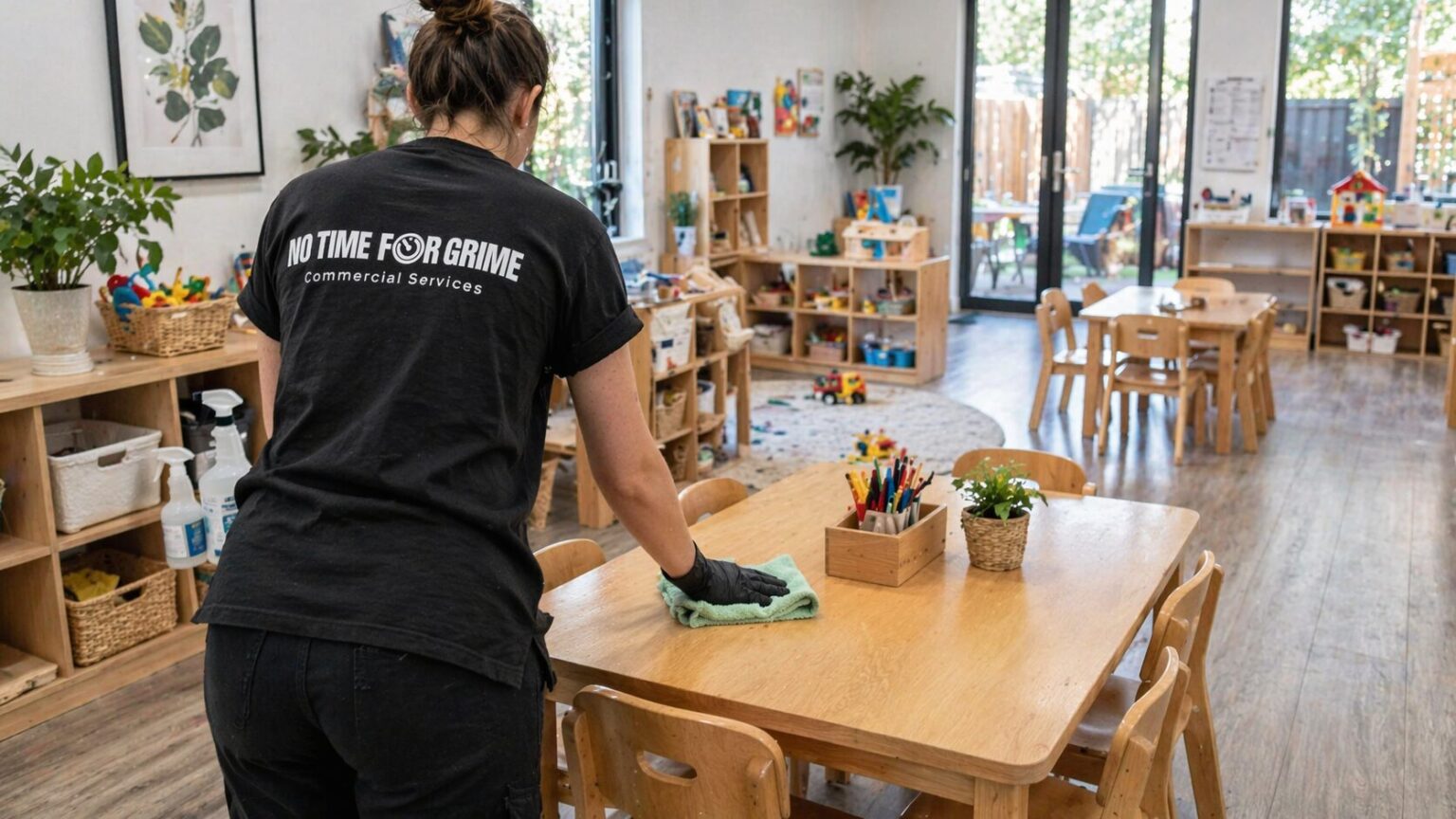
Surfaces throughout the centre need wiping down and disinfecting multiple times during operating hours, not just at day’s end. I recommend cleaning high-touch areas like tables, chairs, and toys between activities, particularly after messy play or mealtimes. This constant attention prevents bacteria from establishing colonies on surfaces where they can survive for hours or even days.
Bathrooms and toilets require cleaning at least once daily, though centres with higher enrolments should schedule bathroom cleaning twice or three times daily. Kitchen equipment and food preparation areas need thorough disinfection before and after use. Cross-contamination between nappy change areas and food preparation zones poses serious health risks, so these spaces should be physically separated and never share cleaning equipment.
Floor and carpet maintenance can’t wait until visible dirt appears. Centres should use vacuums fitted with HEPA filters to reduce dust dispersion rather than simply moving it around the room. I’ve measured air quality improvements of up to 60% in centres that switched to HEPA-filtered equipment.
Teaching Children Proper Handwashing Techniques
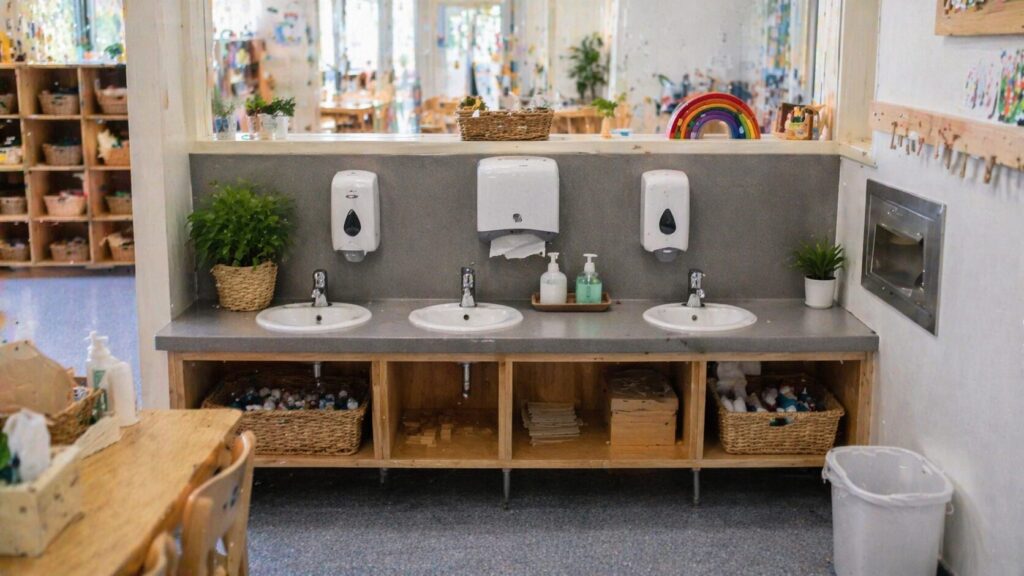
The most effective infection control measure costs nothing and takes 20 seconds. According to the Centers for Disease Control and Prevention, handwashing can prevent about 30% of diarrhoea-related illnesses and about 20% of respiratory infections.
Start by wetting hands with warm running water at a comfortable temperature. Apply soap and lather for at least 20 seconds, ensuring children scrub between fingers, backs of hands, under nails, and around wrists. Many centres I consult with teach children to count to 20 or sing familiar songs like “Happy Birthday” twice through to ensure adequate washing time.
Critical handwashing moments include after toilet use, before and after eating, after coughing or sneezing, before playing with toys, after touching animals, when hands appear dirty, and after contact with bodily fluids.
Weekly and Monthly Deep Cleaning Schedules
Daily cleaning manages immediate contamination, but deeper cleaning addresses areas where dirt, allergens, and bacteria accumulate over time. Play equipment and soft toys need weekly deep cleaning and disinfection. Nap mats and bedding should be washed and sanitised weekly, or more frequently if soiled.
Windows and curtains affect more than aesthetics. Dust and allergens collect on these surfaces and impact air quality, particularly for children with asthma or allergies. Air ventilation systems and filters require monthly attention as well since dirty filters circulate dust and reduce air quality.
Carpets and mats need vacuuming daily but steam cleaning at least every six months to remove deeply embedded dirt and allergens that regular vacuuming can’t reach. I recommend quarterly steam cleaning for high-traffic centres.
Selecting Child-Safe Cleaning Products
Harsh chemicals like bleach effectively kill germs but can irritate children’s skin, eyes, and respiratory systems. For general cleaning, ordinary soap and water removes most dirt and many germs without chemical exposure risks. When disinfection is necessary, choose products specifically approved for childcare use. The Therapeutic Goods Administration provides guidance on approved disinfectants for Australian childcare settings.
I’ve seen centres achieve excellent hygiene standards using hospital-grade disinfectants only where truly necessary (nappy change areas, bodily fluid spills) while using gentler products for general surface cleaning.
Proper Cleaning Order and Equipment Standards
Always clean before disinfecting because dirt and debris prevent disinfectants from reaching and killing germs on surfaces. Start cleaning in the least contaminated areas and finish in the dirtiest zones. Use colour-coded cloths or sponges for different areas so bathroom cleaning equipment never touches kitchen surfaces. I recommend a minimum four-colour system: red for toilets, blue for general surfaces, yellow for kitchens, and green for food contact surfaces.
Choose mops with detachable heads that can be laundered in hot water or replaced when dirty. Vacuum cleaners should have HEPA filters that capture fine particles rather than dispersing them back into the air.
Managing Toy Hygiene Without Overwhelming Staff
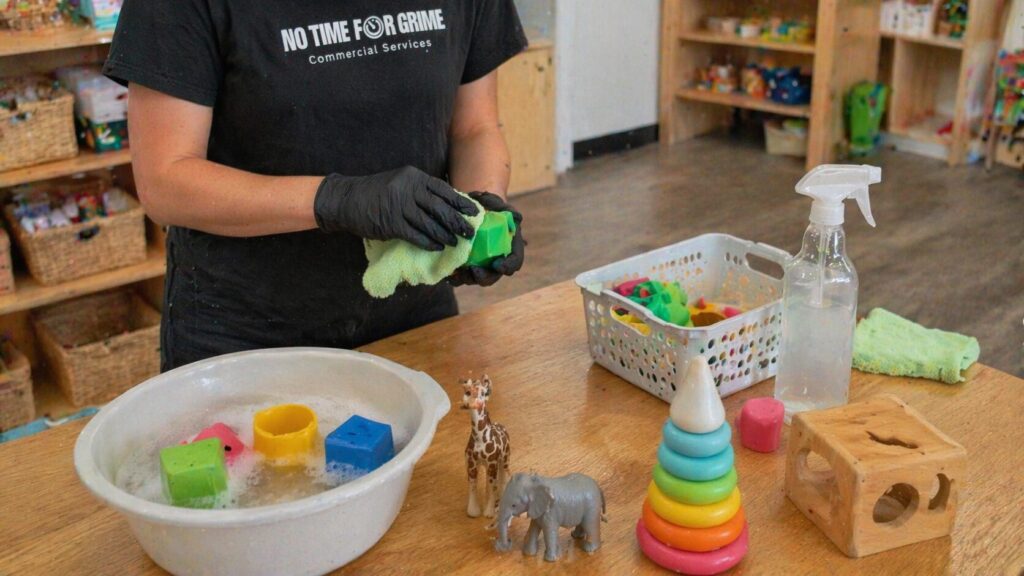
Toys represent one of the highest germ transmission risks because children mouth them, sneeze on them, and share them continuously. Plastic toys should be washed daily in warm water with detergent, rinsed thoroughly, and air-dried.
Implement a “toys to wash” system where staff immediately remove any toy that’s been mouthed, sneezed on, or used by an unwell child. I’ve helped centres set up simple two-bin systems: one bin for clean toys, one for toys awaiting washing. Some centres rotate toys between two sets, using one set while washing the previous day’s toys.
Fabric toys can be machine-washed weekly in hot water and dried completely before returning to circulation. For items that can’t be washed, placing them in a sealed plastic bag in the freezer for four to five hours weekly kills dust mites, allergens, and many germs.
Nappy Change Area Protocols That Prevent Contamination
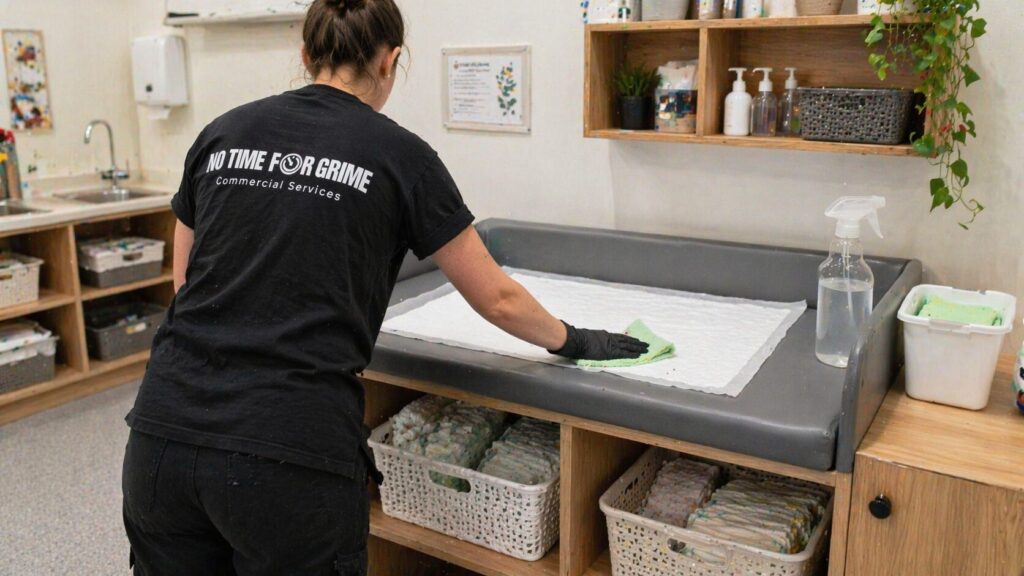
The nappy change area poses the highest infection risk in any childcare centre due to direct exposure to faeces and urine. After each nappy change, clean the surface thoroughly with detergent and warm water, rinse, and dry with single-use paper towels.
I recommend centres have at least two nappy change surfaces so one can be used while the other dries after cleaning. Never prepare or serve food near nappy change areas. Physical separation between these zones prevents cross-contamination that could cause serious gastrointestinal illness outbreaks. I’ve investigated outbreaks where inadequate separation between these areas was the primary cause.
When Staff or Children Should Stay Home
Sick staff pose infection risks even when they don’t directly interact with children because germs spread through shared surfaces and air circulation. Staff showing symptoms of easily transmitted illnesses like vomiting, diarrhoea, high fever, or persistent coughing should stay home until 24 to 48 hours after symptoms resolve.
The same exclusion standards apply to children. Common exclusion conditions include fever above 38°C, vomiting or diarrhoea, unexplained rashes, persistent cough with breathing difficulty, and diagnosed infectious diseases requiring isolation periods.
Creating Realistic Cleaning Schedules Your Staff Can Follow
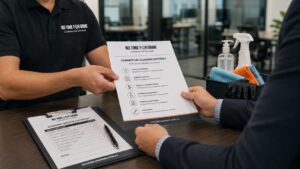
Written cleaning schedules ensure tasks get completed consistently rather than relying on memory or initiative. Break schedules into daily, weekly, and monthly sections that specify what needs cleaning, how often, and who’s responsible.
Record keeping demonstrates compliance during regulatory inspections and helps identify patterns when cleaning lapses contribute to illness outbreaks. Simple checklists that staff sign after completing tasks create accountability and provide evidence of your infection control efforts.
Through NTFG’s childcare cleaning services, I’ve helped hundreds of centres maintain infection control standards that protect children’s health, reassure parents, and maintain their reputation as safe places families can trust. Whether you manage cleaning in-house or partner with professional cleaners, the principles remain the same: consistent protocols, proper training, adequate resources, and accountability systems that ensure standards don’t slip when staff get busy.