The best strata cleaning schedule is not copied from another building. It is built around how people actually use the space, from the lift buttons and lobby floors to the bin room, car park and outdoor areas.
Key Takeaways
- Most strata buildings need a regular weekly clean, with high-traffic areas cleaned more often.
- Lobbies, lifts, bin rooms, car parks, and pool areas all need different cleaning frequencies.
- A clear strata cleaning checklist helps strata managers avoid missed tasks and resident complaints.
- The right schedule depends on foot traffic, building size, weather exposure, facilities, and budget.
Ask ten people how often strata should be cleaned and you’ll probably get eleven answers. That’s strata life. A quiet six-unit block in the suburbs will not need the same cleaning schedule as a busy apartment complex with lifts, a pool, a gym, a bin room that gets a little too “character-building” in summer, and a car park that seems to collect leaves from three postcodes away.
The honest answer is this: strata cleaning should happen often enough that residents, visitors, and contractors never feel like the building is being neglected. That does not always mean daily cleaning. It does mean having a proper plan.
At NTFG, we look at strata cleaning as routine maintenance, not a panic clean before an AGM or after someone complains about the lift buttons again. A good strata cleaning schedule keeps common areas safe, presentable, and easier to manage over time.
This guide is for general information only. Every strata property is different, so cleaning frequency should be reviewed against your site, usage, budget, and any requirements set by your owners corporation or strata manager.
Why Strata Cleaning Frequency Matters
Strata cleaning is not just about making the foyer look pretty, although a clean foyer does make a better first impression than dusty skirting boards and mystery floor marks.
In NSW, owners corporations are generally responsible for maintaining and repairing common property, and the NSW Government guidance on strata repairs and maintenance notes that common property maintenance sits with the owners corporation. Cleaning fits into that bigger picture of keeping shared spaces usable, safe and well looked after.
A reliable cleaning routine helps with:
- resident satisfaction
- visitor impressions
- odour control
- slip and trip risk reduction
- pest prevention
- long-term surface care
- fewer complaints to strata managers
It also gives committees a clearer way to budget. Random cleaning is where costs get messy. Planned cleaning is much easier to track, review, and adjust.
How Often Should Strata Be Cleaned?
For most Australian strata buildings, common areas should be professionally cleaned at least weekly. Higher-traffic properties may need cleaning two to five times per week, while larger complexes or premium apartment buildings may require daily service.
Here is a practical starting point.
| Area | Suggested frequency | Why it matters |
|---|---|---|
| Lobby and entry areas | 2-5 times weekly, or daily for busy buildings | First impressions, dust, wet footprints, parcel traffic |
| Lifts and lift buttons | 2-5 times weekly, or daily for high use | High-touch surfaces, smudges, hygiene |
| Hallways and stairwells | Weekly to twice weekly | Dust, cobwebs, scuff marks, safety |
| Bin rooms | 1-3 times weekly | Odours, spills, pests, resident complaints |
| Car parks | Weekly sweeping, monthly or quarterly deep clean | Leaves, dirt, oil marks, tyre residue |
| Pool and BBQ areas | Weekly, more often in summer | Hygiene, presentation, outdoor grime |
| Glass doors and internal windows | Weekly to fortnightly | Fingerprints, smears, salt and dust |
| External windows | 2-3 times yearly, depending on exposure | Salt, pollution, weather staining |
| Garden paths and outdoor common areas | Weekly to monthly | Leaves, mud, moss, trip hazards |
That table is not a law carved into stone. It is a sensible baseline. The real magic happens when the schedule is adjusted to the building.
The Main Factors That Change Your Strata Cleaning Schedule
Building Size and Number of Residents
A small block with six apartments may only need weekly common-area cleaning and periodic deep cleans. A large apartment building with dozens of residents, deliveries, pets, visitors, and contractors will need more frequent attention.
More people mean more foot traffic, more fingerprints, more rubbish, more spills, and more tiny signs of daily life. It adds up quickly. Dirt is patient. It waits.
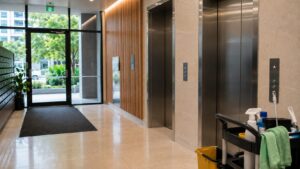
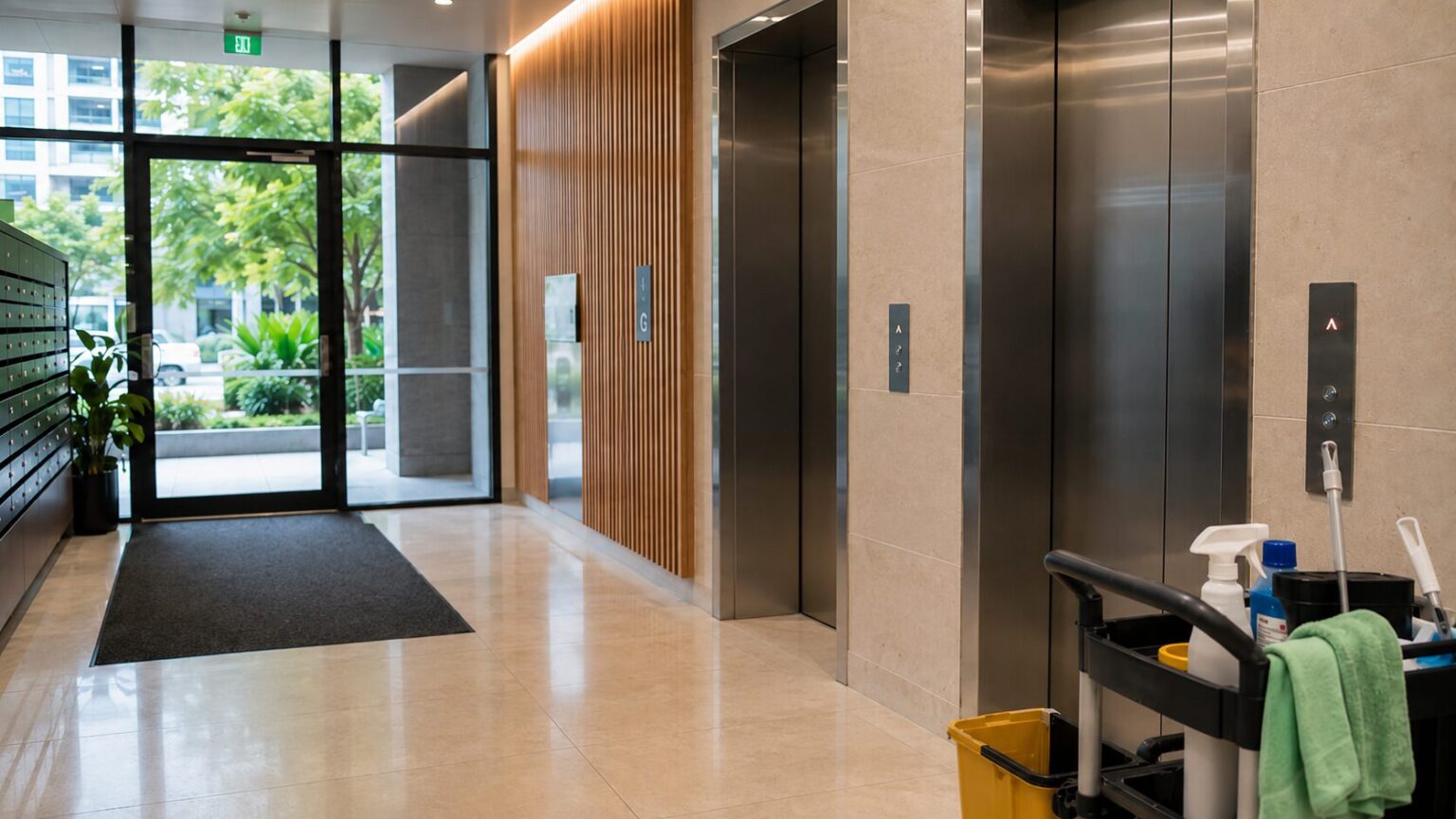
Lobby and Lift Cleaning Frequency
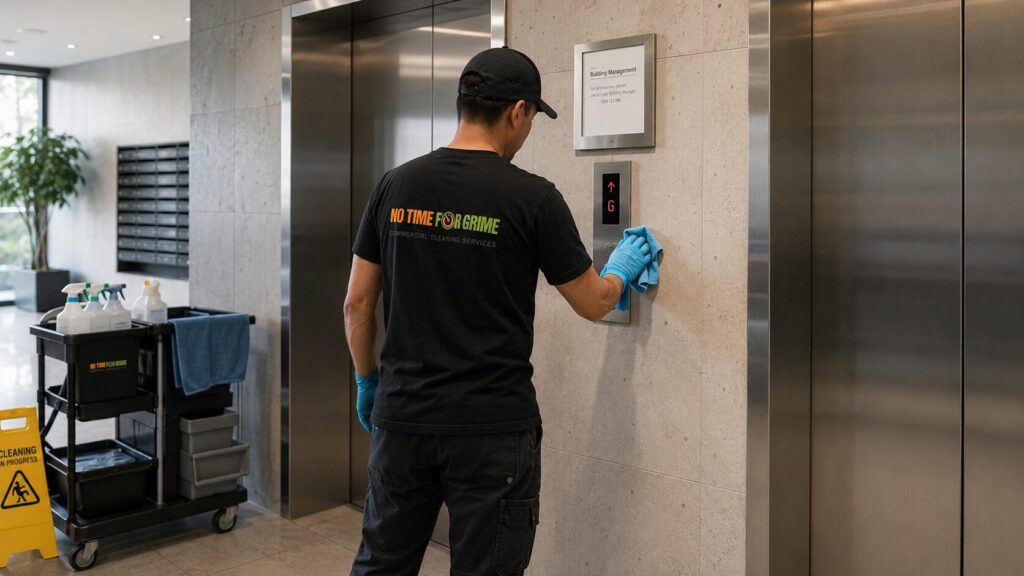
Lobby and lift cleaning frequency should be based on use, not guesswork. If residents are constantly moving through the foyer, collecting parcels, bringing in bikes, walking dogs, or using the lift, weekly cleaning may not be enough.
For many medium to large apartment buildings, lobbies and lifts work best on a two to five times per week schedule. Daily cleaning may be needed for high-rise buildings, serviced apartment-style complexes, or sites with lots of visitor traffic.
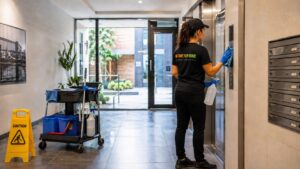
Key tasks should include:
- vacuuming or mopping floors
- wiping lift buttons and handrails
- cleaning mirrors and glass
- removing fingerprints from doors
- spot-cleaning walls and skirting boards
- checking entry mats
- removing visible litter
The lift is usually the giveaway. If it smells stale, has smudged mirrors and sticky buttons, residents notice. They may not say anything straight away, but they notice.
Bin Room Hygiene
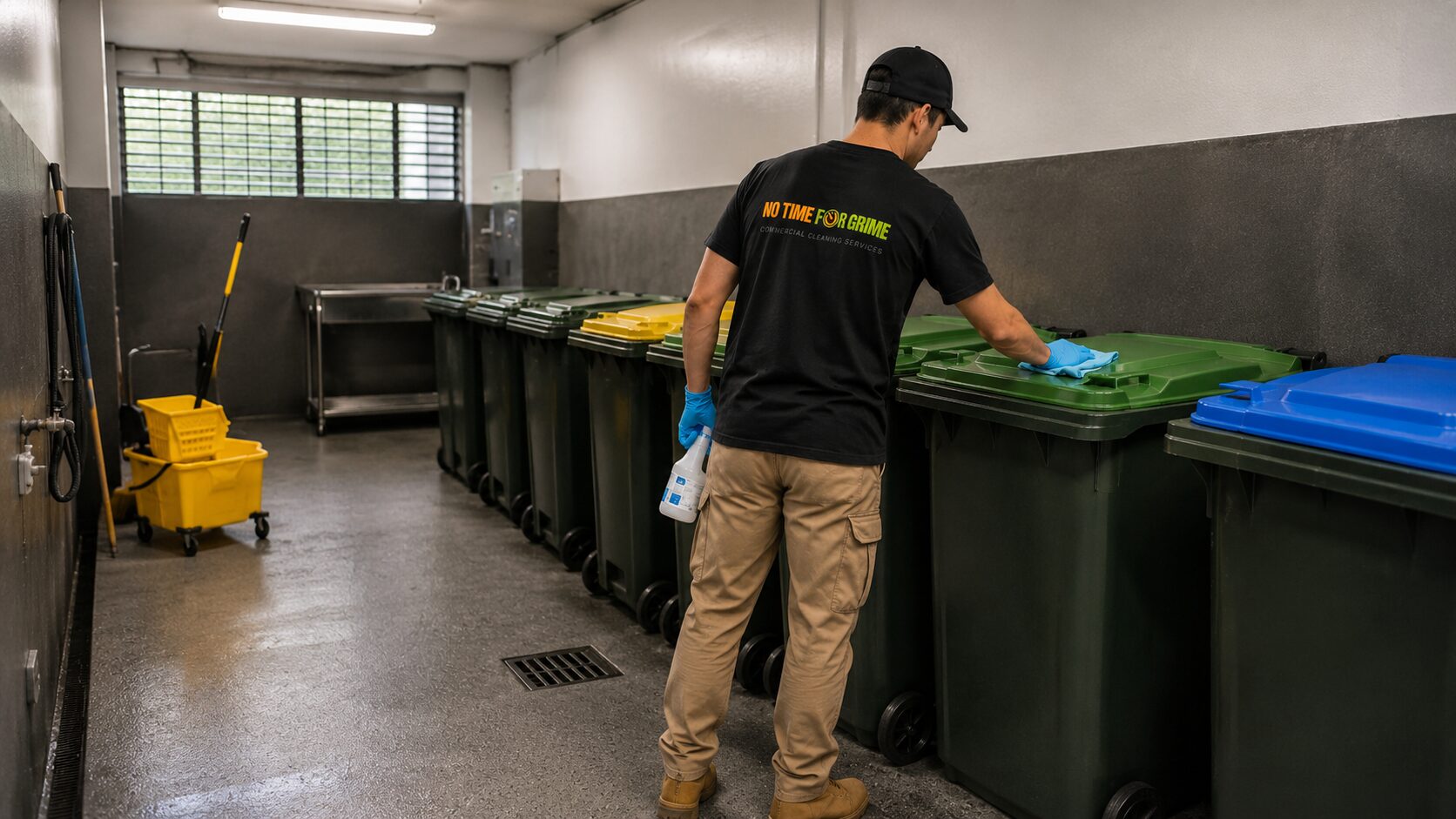
Bin room hygiene is one of the biggest complaint triggers in strata cleaning. It only takes one leaking bag, one missed collection or one hot summer afternoon for a bin room to become everyone’s least favourite feature.
Most strata bin rooms should be checked and cleaned at least weekly. Busier buildings may need two or three visits per week, especially if bins overflow or residents regularly leave rubbish outside the bins.
A proper bin room clean should cover:
- sweeping and removing loose debris
- spot-mopping spills
- wiping touchpoints such as handles and doors
- deodorising where appropriate
- checking for leakage, stains, and pest signs
- reporting recurring issues to the strata manager
If the bin room smells bad from the hallway, the schedule needs work.
A Practical Strata Cleaning Checklist
A strata cleaning checklist keeps everyone honest. It also helps strata managers compare cleaning providers properly, instead of relying on vague promises like “we’ll keep it tidy”. Lovely phrase, not much use when the stairwell has cobwebs older than the committee minutes.
A useful strata cleaning checklist should include:
Daily or High-Frequency Tasks
- clean lift buttons, handrails, and high-touch points
- spot-clean entry glass
- remove visible rubbish
- check lobby, lift, and main walkways
- tidy parcel or mail areas where applicable
Weekly Tasks
- vacuum and mop common floors
- clean stairwells and handrails
- wipe skirting boards and ledges
- clean internal glass and mirrors
- sweep paths and entrances
- check bin rooms
- remove cobwebs from accessible areas
Monthly Tasks
- deeper floor cleaning
- pressure cleaning selected outdoor areas where needed
- detailed car park sweeping
- clean garage entry points
- wash down high-use common surfaces
- review recurring problem areas
Seasonal or Periodic Tasks
- external window cleaning
- building washdowns
- carpet cleaning in common areas
- pool area deep cleans
- pressure washing paths, ramps, and outdoor stairs
- garden and leaf build-up removal
If your current cleaner does not work from a checklist, that is usually where standards start drifting. Slowly at first, then all at once.
Carpark Sweeping Schedule: The Forgotten First Impression
Car parks are often the first area residents and visitors see, but they are usually the last area people think about. A clean car park helps with presentation, safety and surface care.
A practical car park sweeping schedule usually looks like this:
- weekly sweeping for most apartment complexes
- fortnightly sweeping for small, low-use car parks
- monthly detailed cleaning for medium-use sites
- quarterly pressure cleaning for heavy grime, oil marks, and tyre residue
- more frequent cleaning after storms, landscaping work, or construction nearby
For strata properties with basements or multi-level parking, professional Sydney carpark cleaning can help manage oil stains, dust, leaves, tyre marks, odours and debris before they become bigger maintenance headaches.
Pool Area Maintenance and Outdoor Common Spaces
Pool area maintenance needs extra attention because outdoor spaces change with the seasons. In summer, pools, BBQ areas, and shared courtyards get heavier use. In winter, leaves, mud, and moisture can build up.
For most strata properties, pool and BBQ areas should be cleaned weekly. During peak season, two or more visits per week may be more realistic.
Focus areas include:
- tables and benches
- BBQ surfaces
- bins and waste areas
- poolside paths
- outdoor showers
- glass fencing
- leaves and debris
- wet or slippery areas
A pool area should feel fresh and easy to use, not like the forgotten corner of a holiday park from 1997.
When Weekly Strata Cleaning Is Not Enough
Weekly cleaning is a good starting point, but some buildings need more. You may need to increase the frequency if you notice:
- frequent resident complaints
- odours from bin rooms
- sticky lift buttons or marked mirrors
- visible dust in hallways
- wet leaves collecting near entries
- slippery outdoor paths
- rubbish left around bins
- stained common-area carpets
- mould, cobwebs or heavy salt build-up
- cleaning standards dropping between visits
A good cleaner should also flag these issues before they become committee talking points. That is part of the job.
How NTFG Builds a Better Strata Cleaning Schedule
The best cleaning schedule is not copied from another building. It is built around the site.
When we look after strata properties, we consider the building layout, resident movement, common areas, access times, waste setup, outdoor exposure, and the little details that only show up when you actually walk the site.
That might mean more attention on lifts and lobbies for a busy apartment building, extra bin room hygiene during summer, a clearer carpark sweeping schedule for basement parking, or periodic pressure cleaning for outdoor paths.
If you want a consistent plan instead of constantly chasing missed tasks, our professional strata cleaning in Sydney service is built around practical schedules, clear expectations and reliable standards for common areas, lobbies, lifts, car parks and shared spaces.
For workplaces or mixed-use properties, our broader commercial cleaning services can also support offices, retail areas and shared facilities attached to strata sites.
How to Review Your Current Cleaning Routine
A simple quarterly review can save a lot of hassle. Walk the site with your strata manager or cleaning provider and ask:
- Which areas look dirty between scheduled cleans?
- Are residents complaining about the same spaces?
- Are high-touch surfaces being cleaned often enough?
- Does the bin room need more frequent attention?
- Are car parks, paths and entries staying safe and presentable?
- Are seasonal changes affecting the property?
- Is the checklist clear enough to measure performance?
If you like practical checklists, our office cleaning checklist for Australian workplaces is also a handy reference for thinking about daily, weekly, and periodic cleaning tasks across shared spaces.
A Cleaner Strata Building Starts With a Smarter Schedule
So, how often should strata be cleaned? For most buildings, weekly cleaning is the minimum starting point. Busy apartment complexes usually need common areas cleaned several times per week, with daily service for high-traffic lobbies, lifts and amenities.
The real answer comes down to use. Watch how people move through the building. Look at what gets dirty first. Listen to resident feedback. Then build the schedule around the property, not around a generic template.
A clean strata building feels calmer, safer, and better managed. Residents notice it. Visitors notice it. Strata managers definitely notice it, usually because their inbox is quieter.
And honestly, fewer cleaning complaints are a beautiful thing. Almost as beautiful as a bin room that does not smell like regret.