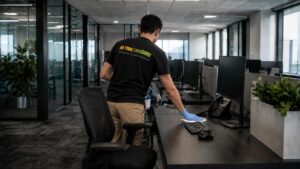
The best office hygiene habits aren’t about perfection, they’re about consistency. When your workplace stays clean, stocked, and cared for, your team feels better, works better, and takes fewer sick days.
Key Takeaways
- A hygienic office reduces sick days, improves focus, and supports better day-to-day staff wellbeing.
- High-touch surfaces and shared spaces are the biggest hygiene risks in most workplaces.
- The best results come from combining daily staff habits with a consistent professional cleaning schedule.
- NTFG Office Cleaning helps keep your workplace clean, healthy, and client-ready without adding pressure to your team.
A clean office just runs smoother. People settle in quicker, the workspace feels calmer, and no one’s quietly wondering what’s living on the communal kitchen bench.
But office hygiene isn’t just about appearances. It plays a real role in staff wellbeing, productivity, and how confident your team feels coming into work each day. When the workplace is consistently hygienic, distractions drop, the environment feels more comfortable, and you’re far less likely to deal with the ripple effect of avoidable illness spreading through the office.
This guide walks through the best office hygiene practices that actually work in real workplaces, plus how to keep standards high long-term without turning your staff into part-time cleaners.

Why Office Hygiene Improves Productivity and Staff Wellbeing
Office hygiene affects more than cleanliness. It influences energy levels, focus, comfort, and morale.
For practical guidance on preventing infection spread at work, this workplace infection control and hygiene guide from Better Health Channel is a solid reference point.
Less illness, fewer disruptions
Shared offices are full of touchpoints. If hygiene is inconsistent, germs spread quickly through keyboards, door handles, meeting rooms, and kitchens. One person getting sick can easily become multiple people getting sick, and suddenly, productivity takes a hit.
Better focus and fewer distractions
A slightly grubby office creates constant low-level distractions. Sticky desks, dusty monitors, smelly bins, and messy bathrooms might not trigger a formal complaint, but they absolutely impact concentration and mood.
Stronger workplace morale
A clean workplace sends a simple message: people matter here. When staff feel looked after, they tend to feel more engaged and take more pride in their environment.
Cleaning vs Disinfecting: What Offices Often Get Wrong
A lot of workplaces think “cleaning” means “disinfecting”. They’re related, but not identical.
Cleaning removes grime and build-up
Cleaning removes dirt, dust, oils, food residue, and mess. This matters because grime can hold onto germs and make surfaces harder to properly sanitise.
Disinfecting reduces germs on surfaces
Disinfecting uses appropriate products to reduce germs on high-touch surfaces and shared spaces.
Best practice is to clean first, then disinfect where it matters most. That’s how you get a genuinely hygienic workplace, not just “looks fine from a distance”.
The Most Important Office Hygiene Zones to Prioritise
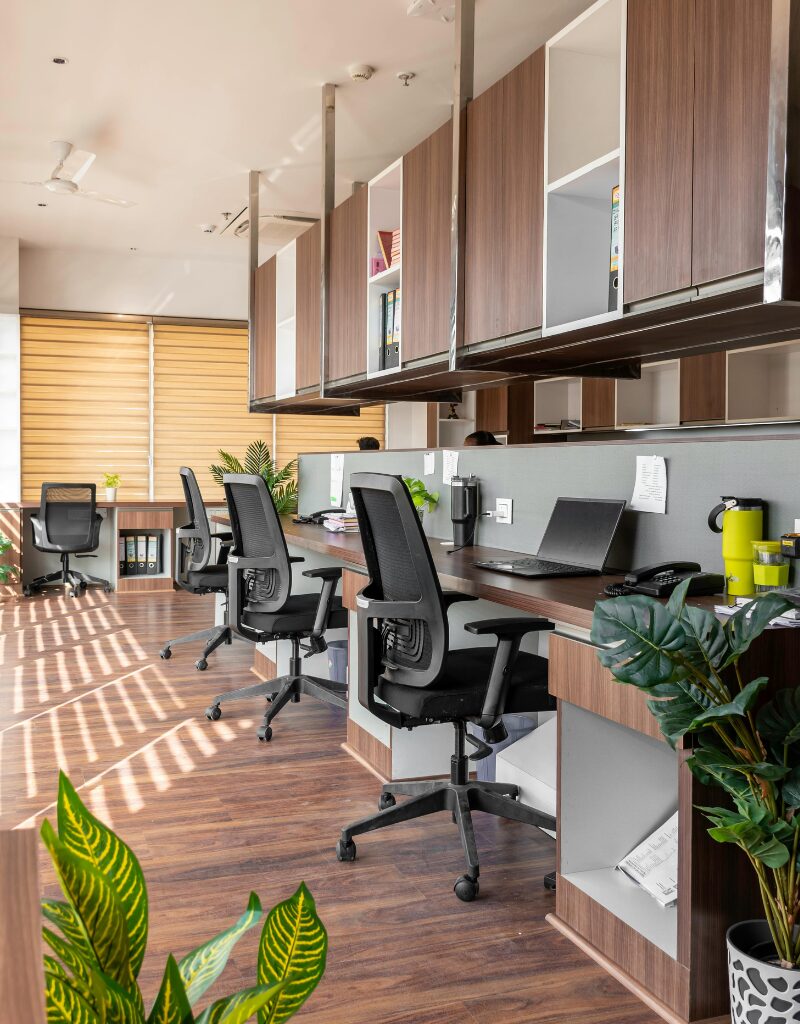
If you want the biggest return on effort, focus on the areas that are touched the most and cleaned the least.
1) High-touch surfaces (the biggest hygiene risk in most offices)
These surfaces get touched all day, every day, often without anyone noticing.
High-touch surfaces to clean frequently include door handles and push plates, light switches, lift buttons, tap handles, meeting room tables and chair arms, kitchen fridge handles, microwave and kettle buttons, printer panels, and shared stationery areas.
If your office hygiene routine is missing these, you’re doing the “tidy office” version of cleaning, not the hygienic one.
2) Shared office technology (where germs quietly thrive)
Office tech is one of the most overlooked hygiene areas because it rarely looks dirty. But it’s constantly handled, often by multiple people.
Shared tech that needs regular attention includes keyboards and mice, desk phones and headsets, touchscreens and tablets, and meeting room remotes and control panels.
If your team relies heavily on shared devices, it’s worth tightening up your routine with practical steps for cleaning them safely. NTFG covers this really well in their guide on why office technology needs regular cleaning.
3) Kitchens and break rooms (the “looks fine” trap)
The kitchen can look clean while still being a hygiene problem. Food prep areas, shared appliances, and busy lunchtime routines create the perfect conditions for germs and odours.
Daily kitchen hygiene priorities include wiping benchtops and tables, cleaning appliance touchpoints like microwave buttons and fridge handles, emptying bins before they start smelling, and keeping dishwashing areas stocked and tidy.
Weekly kitchen hygiene priorities include fridge clean-out and wipe-down, deep cleaning around sinks and coffee machines, mopping floors and cleaning corners, and disinfecting cupboard handles and splashbacks.
A clean kitchen also simply supports staff wellbeing. People feel more comfortable eating, taking breaks, and resetting mentally during the day.
4) Bathrooms (where staff decide if the office is “nice” or “nope”)
Bathrooms have a bigger impact on wellbeing than most workplaces realise. If the bathroom feels unhygienic, it affects comfort, confidence, and the overall perception of the workplace.
Bathroom hygiene basics include keeping soap stocked at all times, ensuring paper towels or hand dryers are working, cleaning toilets and basins properly, emptying bins regularly, and disinfecting touchpoints like locks, taps, and door handles.
This is also one of the quickest ways to protect staff wellbeing, because poor bathroom hygiene is a guaranteed morale killer.
A Practical Office Hygiene Routine Your Team Can Maintain
Office hygiene only works when it’s consistent. That means routines need to be realistic and clearly defined.
Daily hygiene actions (high impact, low effort)
These stop hygiene issues from building up. Wipe high-touch surfaces, empty bins in kitchens and bathrooms, restock soap, sanitiser, and paper towels, and do a quick wipe of shared meeting spaces.
Weekly hygiene actions (the reset clean)
This prevents that slow “office grime creep”. Focus on floors, edges, and under desks, kitchen deep cleaning and fridge wipe-downs, meeting room wipe-down and disinfecting, and a bathroom deep clean focus.
Monthly hygiene actions (detail work that keeps standards high)
This is where the office starts to feel genuinely well-maintained. Include high dusting and vents, skirting boards and wall marks, glass partitions and entry areas, and deep disinfection of high-use zones.
This is also the point where professional cleaning becomes less of a luxury and more of a smart operational decision.
Hot Desking Hygiene: The Reset Rule That Actually Works
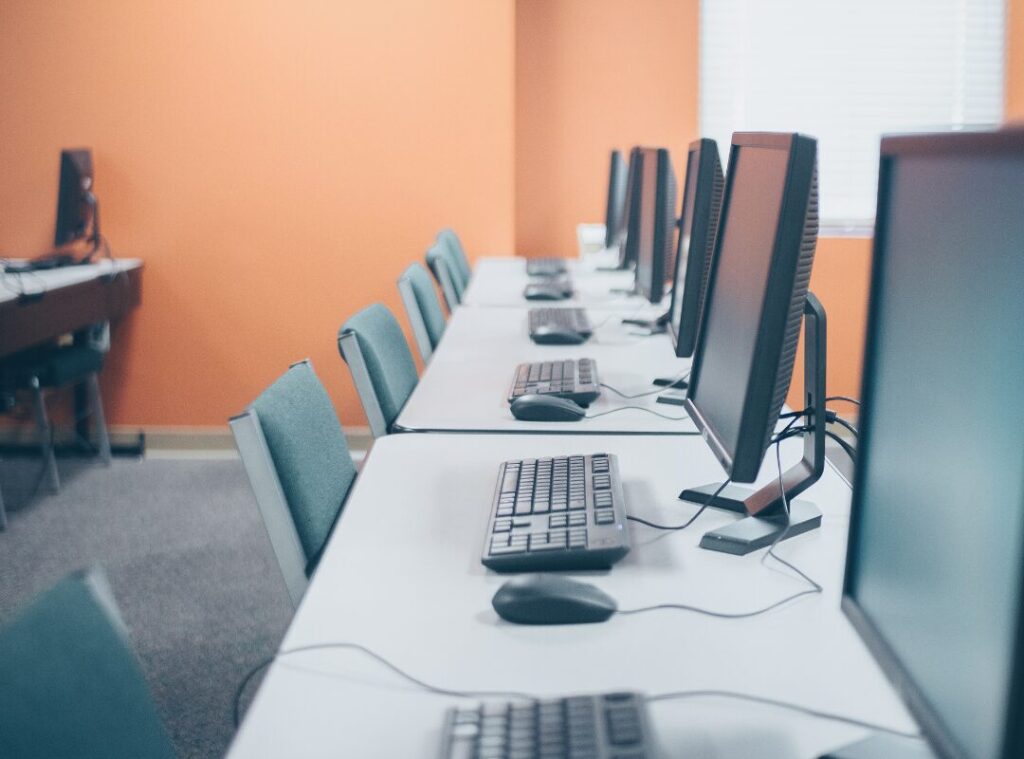
Hot desking can be great for flexibility, but hygiene can get awkward fast. Nobody wants to sit down at a desk that feels recently inhabited.
A simple solution is the reset rule.
The reset rule is “Leave it better than you found it”. Before you sit, wipe the desk surface, wipe the keyboard and mouse, and wipe the chair arms. When you leave, remove rubbish and cups, do a quick wipe of touchpoints, clear the desk, and push the chair in.
It’s quick, it’s fair, and it stops the office from turning into a rotating germ festival.
Who Does What: A Simple Hygiene Responsibility Map
A lot of workplaces don’t struggle with hygiene because people don’t care. They struggle because nobody knows what’s expected.
Here’s a simple framework that keeps things clear:
| Office Area | Staff Responsibility | Professional Cleaning Support |
| Personal desks | Quick daily wipe | Weekly detailed clean |
| Shared tech | Wipe after use | Routine disinfect and detailing |
| Kitchen | Tidy after use | Daily disinfect + floor cleaning |
| Bathrooms | Report issues fast | Daily cleaning + restocking checks |
| High-touch points | Awareness and care | Scheduled disinfecting |
This helps protect well-being without turning hygiene into a workplace argument.
Why Professional Office Cleaning Supports Productivity and Staff Wellbeing
Even with good habits, office hygiene slips when cleaning becomes inconsistent, rushed, or treated like an afterthought.
Professional office cleaning supports productivity because it removes friction from daily operations. Staff can focus on their work instead of dealing with mess, dodging dirty surfaces, or feeling uncomfortable in shared spaces.
What professional office cleaning covers that offices often miss includes consistent disinfection of high-touch surfaces, proper bathroom hygiene standards, kitchen hygiene that goes beyond a quick wipe, floors and corners and hidden build-up areas, and a routine that doesn’t rely on staff remembering.
If you want a cleaner, healthier workplace without managing it internally, NTFG’s office cleaning services are built for exactly that. They’re designed to keep workplaces hygienic, presentable, and easy to work in, especially in busy offices with shared spaces and rotating teams.
How to Choose an Office Cleaning Company Without Regretting It Later
Not all commercial cleaners deliver the same standards. Some show up, do the obvious bits, and disappear. Others help maintain hygiene properly, consistently, and with minimal disruption.
If you’re comparing providers, NTFG’s guide on choosing the right commercial cleaning company is a genuinely useful resource because it breaks down what to look for and what to ask before signing anything
Office Hygiene Mistakes That Quietly Reduce Wellbeing
These are the common slip-ups that slowly drag down comfort and productivity.
Letting supplies run out is a big one. No soap, no paper towels, no sanitiser. Staff notice instantly, and it creates unnecessary frustration.
Cleaning only what’s visible is another. Shiny floors don’t matter if high-touch points are neglected. Hygiene is about what people touch, not just what they see.
Ignoring shared equipment is also a common issue. Meeting rooms and shared tech are high-risk areas, especially when multiple teams rotate through.
Leaving bins too long is the final classic mistake. Once the bins smell, the office mood changes fast. People don’t do their best work while holding their breath.
Final Thoughts
Office hygiene isn’t about being perfect. It’s about being consistent. When standards are maintained properly, staff feel better, sick days drop, focus improves, and the whole workplace runs more smoothly.
If you want a cleaner, healthier office without adding extra pressure to your team, NTFG Office Cleaning is the smart way to keep things running behind the scenes.
Ready to lift your office hygiene standards? Get in touch with NTFG today and request a tailored office cleaning quote.